Embrace the Charm: Why Flowerpot Bread is a Must-Try
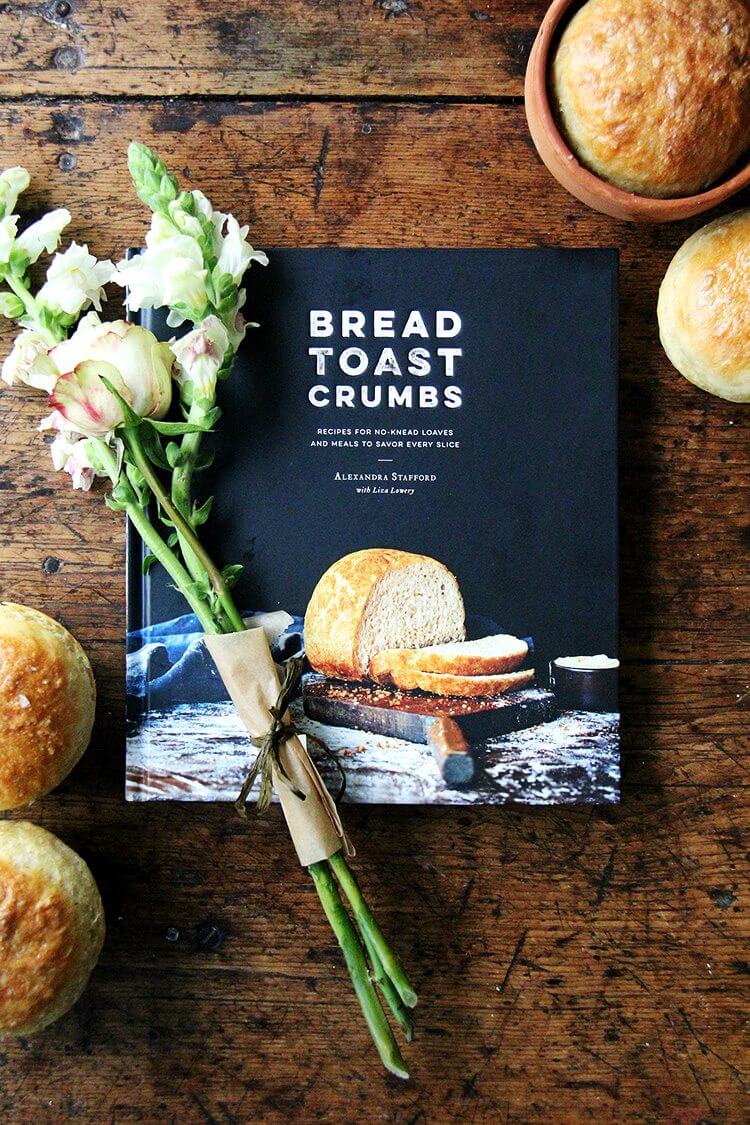
Imagine a tiny, perfectly formed loaf of bread, still warm from the oven, nestled in an adorable terra cotta pot. This charming sight isn't just a fantasy; it's the delightful reality of Terrain Cafe's famous flowerpot bread, a culinary darling that has captivated hearts from its garden café in Westport, CT, and beyond. Its rustic appeal and comforting aroma have inspired countless home bakers to try their hand at recreating these mini masterpieces. If you've ever dreamt of pulling a warm, artisanal loaf from your own oven, ready to be enjoyed as fresh, delicious flowerpot bread free toast, then you've come to the right guide. This comprehensive article will equip you with all the knowledge, tips, and tricks to bring that enchanting bakery experience right into your kitchen, making it a treasured recipe worthy of your culinary bookplate.
The allure of flowerpot bread lies not just in its undeniable cuteness, but also in the unique baking environment provided by the terra cotta itself. These pots contribute to a beautifully crisp crust and a tender crumb, turning a simple bread recipe into something truly special. We'll delve into everything from selecting the right pots to mastering the perfect rise, ensuring your homemade flowerpot loaves are a resounding success.
Selecting & Preparing Your Flowerpots: Safety First!
The foundation of great flowerpot bread starts with choosing the right vessel. While the idea of baking in a garden pot might seem whimsical, safety and practicality are paramount. Our inspiration from Alexandra's Kitchen highlights the use of small flowerpots, typically around 4 inches in diameter at the top opening and a little over 3 inches tall. These dimensions are ideal for creating individual, single-serving loaves that cook evenly and release easily.
The Terra Cotta Conundrum: Food-Safe Choices
The biggest question mark for many aspiring flowerpot bakers is undoubtedly safety. Can you truly bake in a terra cotta pot? The answer is generally yes, but with crucial caveats. Not all terra cotta pots are created equal, especially when it comes to food contact. Here’s what you need to know:
- Unglazed & Food-Grade: Opt for unglazed terra cotta pots. Glazed pots often contain lead or other harmful chemicals not meant for high-heat cooking. Look for pots specifically labeled as "food-safe," "oven-safe," or "unglazed culinary terra cotta." These are often found in kitchenware stores, not garden centers.
- New is Best: Never use a pot that has previously housed plants. Soil, fertilizers, pesticides, and other garden chemicals can leach into the porous terra cotta and transfer to your food. Always buy new, unused pots dedicated solely to baking.
- Italian Terra Cotta: As noted in our reference, pots made in Italy are often a good sign, as they frequently adhere to higher manufacturing standards. However, always double-check for food-safe certification regardless of origin.
Before their first use, new terra cotta pots require a little preparation. Wash them thoroughly with hot, soapy water, then rinse them completely and let them air dry. Some bakers also recommend soaking new pots in water for 30 minutes to an hour, then allowing them to dry fully, to help prevent cracking and improve heat distribution during baking. For more in-depth insights into pot safety and preparation, be sure to check out our related guide: Bake Flowerpot Bread: Terra Cotta Safety & Rising Secrets.
Sizing Up Your Pots for Perfect Loaves
The suggested size of approximately 4 inches in diameter at the top and 3 inches in height is excellent for small, personal loaves. This size ensures the dough rises beautifully without overflowing and bakes through evenly. If your pots are significantly larger or smaller, you may need to adjust your dough quantities and baking times. For example, larger pots will require more dough and a longer baking time, while smaller pots might need less dough and a shorter bake.
Prepping Your Pots for Baking Success
Even with food-safe pots, a little preparation goes a long way to ensure your bread doesn't stick. Grease the inside of each pot generously with butter, oil, or a non-stick cooking spray. You can also lightly flour the greased interior for extra insurance. This step is critical for easy release after baking and ensures your adorable loaves maintain their shape.
The Master Peasant Bread Recipe: Your Foundation for Flowerpot Perfection
The charm of flowerpot bread is often paired with the simplicity of a peasant bread recipe. These rustic loaves are typically characterized by a minimal ingredient list, easy mixing, and often a no-knead or low-knead approach. This makes them ideal for adapting to flowerpot baking, as the dough is forgiving and produces a wonderfully chewy texture with a satisfying crust.
Basic Ingredients and Principles
A typical peasant bread recipe calls for just four core ingredients:
- Flour: All-purpose or bread flour works well, providing the structure for a good rise.
- Water: Lukewarm water is essential for activating the yeast.
- Yeast: Active dry or instant yeast will give your bread its lift.
- Salt: Crucial for flavor and controlling yeast activity.
The beauty of peasant bread is its simplicity. Often, ingredients are just stirred together until a shaggy dough forms, then left to rise. This minimal handling develops gluten naturally over time, resulting in a delicious, airy crumb without the intense labor of traditional kneading.
Adapting for Adorable Loaves
When adapting a standard peasant bread recipe for flowerpots, consider the hydration level. A slightly wetter dough tends to do well in the unique baking environment of terra cotta, helping to create a light and open crumb. You'll also need to divide your dough appropriately to fit into your chosen number of pots. For six 4-inch pots, a standard loaf recipe usually yields enough dough. Once the dough has gone through its initial rise, gently divide and shape it into small, round balls before placing them into your prepared flowerpots for the second rise.
Mastering the Rise: The Secret to Light & Fluffy Flowerpot Bread
One of the most critical steps in achieving perfect flowerpot bread is creating the ideal environment for your dough to rise. Yeast thrives in warmth, but too much heat can kill it, resulting in dense, brick-like bread. The reference context provides an ingenious, fool-proof method for creating a slightly warm, cozy spot for your dough to proof.
The "One Minute Oven" Technique Explained
This method is simple yet highly effective:
- Turn Oven On Briefly: Set your oven to a moderate temperature, such as 350ºF (175ºC).
- Heat for One Minute EXACTLY: Let the oven heat for precisely one minute. Do NOT let it reach the set temperature and then hold it there. The goal is just a quick flash of heat.
- Turn Oven Off Immediately: As soon as one minute is up, turn the oven off.
- Place Dough Inside: Place your covered flowerpots (or other dough containers) into this subtly warmed oven. The temperature inside should be around 100ºF (38ºC) – the perfect temperature for yeast activation.
This technique prevents the oven from becoming too hot, which would deactivate or kill the yeast. The residual warmth provides a consistent, gentle heat that encourages active yeast fermentation, leading to a beautiful, airy rise. This gentle warmth is crucial for making that delightful flowerpot bread free toast that everyone will rave about.
Understanding Yeast and Temperature
Yeast is a living organism that feeds on sugars in the dough, producing carbon dioxide gas and alcohol. This gas gets trapped in the gluten network, causing the dough to expand and rise. The rate at which yeast works is highly dependent on temperature:
- Too Cold: Yeast activity slows down significantly, leading to a very long rise or no rise at all.
- Ideal (75-100ºF / 24-38ºC): Yeast is highly active, producing gas efficiently for a good rise and developing rich flavors.
- Too Hot (above 120-130ºF / 49-54ºC): Yeast begins to die, and fermentation stops. This results in dense, under-risen bread.
Alternative Warm Spots for a Consistent Rise
If the "one minute oven" technique isn't feasible or you prefer other options, here are a few alternatives:
- Warm Water Bath: Place your dough-filled pots into a larger container of warm (not hot) water, ensuring the water level doesn't reach the dough. Cover the pots.
- Proofing Box: If you're a serious baker, a dedicated proofing box offers precise temperature and humidity control.
- Sunny Spot: A windowsill or counter bathed in indirect sunlight can provide gentle warmth, especially on cooler days.
- Oven with Pilot Light/Light On: Some ovens with a pilot light or a continuously lit interior light can create a slightly warm environment, though often less controlled than the one-minute method.
For a deeper dive into optimal rising conditions and common pitfalls, don't miss our comprehensive article: Perfect Flowerpot Bread Rise: Oven Warming Technique Revealed.
Baking, Serving, and Savoring Your Flowerpot Creations
Once your flowerpot bread has beautifully risen, it’s time for the final, magical step: baking!
From Oven to Table: Baking Times and Tips
Preheat your oven to the temperature specified in your chosen peasant bread recipe (typically around 400-450ºF / 200-230ºC). Some recipes suggest preheating the empty flowerpots in the oven for about 10-15 minutes before adding the dough for the final rise, which can result in a crispier crust. However, if you are using the "one minute oven" technique for rising, you will need to carefully remove the pots, allow the oven to preheat fully, and then place the pots back in.
- Baking Time: For 4-inch pots, bread usually bakes for 20-30 minutes, or until deeply golden brown and cooked through. You can test for doneness by tapping the bottom of a loaf; it should sound hollow.
- Crust Development: For an extra-crispy crust, you can spray a little water into the oven (avoiding the light bulb) at the beginning of baking, or place a pan of hot water on the bottom rack.
- Cooling: Once baked, immediately remove the loaves from their pots and transfer them to a wire rack to cool completely. This prevents the bottom from becoming soggy due to trapped steam.
Beyond the Bake: Creative Serving Ideas
Your adorable flowerpot loaves are a delight in themselves, but they also serve as a versatile canvas for culinary creativity. Here are some ideas:
- Classic Toast: The most obvious and satisfying use! Slice your warm loaf and enjoy it as free toast with butter, jam, honey, or a savory spread. The unique shape makes for perfectly portioned slices.
- Mini Sandwiches: Slice horizontally for cute sliders or open-faced sandwiches.
- Bread Baskets: Serve individual loaves in their pots (on a protective coaster, if hot) as a charming addition to a dinner party.
- Soup Dippers: The rustic crust and soft interior are perfect for dipping into hearty soups and stews.
- Gifts: These loaves make thoughtful, homemade gifts for friends, neighbors, or hosts.
Variations and Customizations
Don't stop at plain peasant bread! Experiment with additions to personalize your flowerpot loaves:
- Herbs & Spices: Mix in dried rosemary, thyme, oregano, garlic powder, or onion flakes for savory loaves.
- Cheese: Fold in shredded cheddar, Parmesan, or Gruyere for cheesy bread.
- Seeds & Grains: Add sesame seeds, poppy seeds, flax seeds, or oats to the dough or sprinkle on top before baking.
- Sweet Touches: For a slightly sweeter bread, add a touch of sugar or honey to the dough, along with cinnamon and raisins.
- Toppings: Before baking, brush with an egg wash for a glossy finish, or sprinkle with coarse salt, everything bagel seasoning, or more seeds.
Conclusion: Your Homemade Loaves Await!
Recreating Terrain Cafe's adorable flowerpot bread at home is a rewarding culinary adventure that combines rustic charm with delicious simplicity. By carefully selecting food-safe terra cotta pots, understanding the nuances of a good peasant bread recipe, and mastering the crucial warm environment for rising, you can produce individual loaves that are both visually stunning and incredibly tasty. Whether you're making them for a special brunch, a comforting dinner, or simply to enjoy as delightful homemade flowerpot bread free toast, the process is as enjoyable as the outcome. So, gather your ingredients, choose your pots, and get ready to impress yourself and your loved ones with these unique, bookplate-worthy loaves straight from your oven. Happy baking!
